A PERSONALIZED AI CHESS COACH
Dr. Wolf Brain
An AI chess coach that learns how you think.
Play, think, and learn with a coach that remembers how you reason, notices recurring patterns, and adapts its questions over time.
Chess claims are checked against Stockfish. Learner insights are grounded in the episodes you actually create.
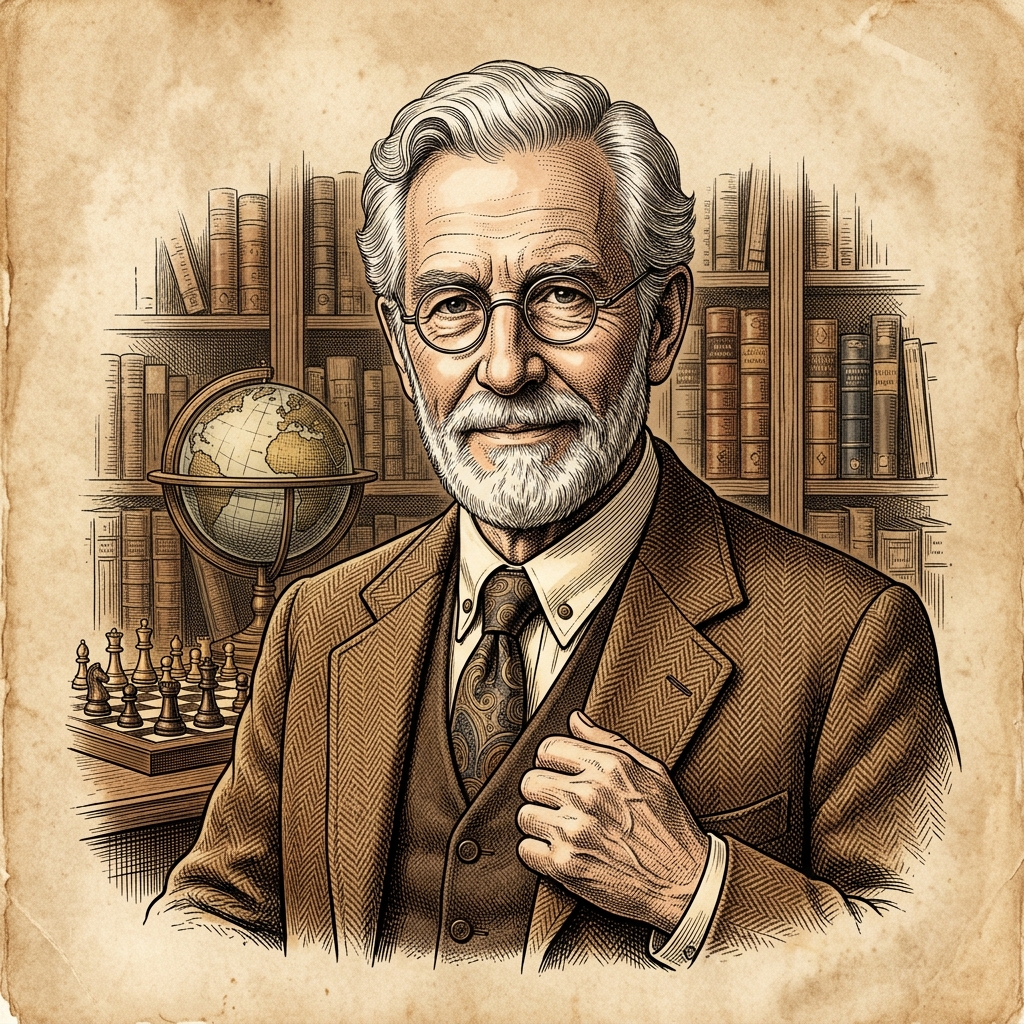
Dr. Wolf
“This is an interesting position. What is your opponent's strongest reply?”


Your Plan
- Find better plans
- Avoid early traps
- Improve piece coordination
- Learn from your mistakes
- Build long-term habits
“I'll adapt to your games and focus on the ideas that matter most for your progress.”
A Coach Built Around You
Dr. Wolf Brain combines deliberate practice, learner memory, and evidence-backed personalization to help you build better thinking habits — not just find better moves.
Think First
Get in-game guidance that helps you think through positions before seeing any engine answer.
No engine verdict until the session summary.Your Chess Brain
A learner model that remembers patterns in your games and Think First sessions — and updates only when evidence warrants.
Learner State Model
IllustrativeWhy Did You Ask Me That?
Every personalized question can show the evidence behind it. No ungrounded claims.
“I asked because this position matched an opponent-threat coaching trigger. I’d only turn this into a belief about you after Think First sessions give me enough evidence.”
- • Current position → engine-backed trigger
- • Think First episodes → learner evidence
- • Imported positions → may seed a pattern, cannot confirm intent
Understand the Why Behind Every Move
Review what you were thinking, what you played, and what the position actually required — after the game, not while you are still solving it.
Nc3 develops the queenside knight and adds control over central squares.
“I wanted to develop a piece and improve my control of the center.”
Nc3
Develop the knight, improve central control, then reassess the opponent's forcing replies.
A coach that remembers the right things
Dr. Wolf Brain does not try to remember everything. It stores structured learning evidence and uses it to decide what deserves to become a belief about the learner.
Evidence-backed memory
Stores key positions, learner responses, moves, and outcomes as structured episodes — not endless chat history.
Delayed reveal
You think first. The engine verdict is withheld until the post-game summary so the learning moment stays yours.
Skill tracking
Shows mastery only after enough evidence exists. Otherwise it states: “Not enough evidence yet.”
Thinking-pattern hypotheses
Forms revisable hypotheses only when Think First episodes actually test them across multiple games.
Transfer practice
Uses new positions to test whether the learner recognizes the same tactical idea in a different context.
Dream Cycle
At session end, deterministic code consolidates evidence, updates learner state, and selects the next focus.
The LLM phrases the lesson. It does not own the score.HOW THE SYSTEM LEARNS
FROM GAMES TO PERSONALIZED COACHING
A continuous evidence pipeline turns real games and Think First sessions into adaptive coaching.
Games / PGN
Import Chess.com games or upload PGN.
Stockfish Analysis
Find critical positions and validate chess truth.
Episode Memory
Store what the learner saw, said, and played.
Learner Model
Update skills and evidence-backed hypotheses.
LLM Pedagogy
Turn grounded facts into Socratic wording and explanations.
Dream Cycle
Consolidate the session and choose the next focus.
Personalized Coaching
Adapt future questions, reviews, and practice.
1. Games / PGN: Import Chess.com games or upload PGN.
Stockfish owns chess truth · Evidence owns learner claims · Deterministic code owns scores · The LLM owns language
Built in the Open
No invented ratings. No fake testimonials. The proof is the product, the architecture, the build history, and the decisions behind it.
Public Build Log
Track product decisions, trade-offs, experiments, and day-by-day implementation progress.
Canonical PRD
The frozen product source of truth: what Dr. Wolf Brain should do, why it exists, and what v1 deliberately does not attempt.
Engineering Build Spec
The implementation contract: database rules, trigger engine, grader, belief updates, API contracts, and test matrix.
Architecture & Decisions
See the memory pipeline, deterministic boundaries, evidence model, and engineering choices behind the demo.

A GOOD AI COACH SHOULD SHOW ITS WORK
Teach the coach.
Improve your chess.
Play a Think First session and help Dr. Wolf Brain learn one defensible thing about how you think.